
Hope For Those Suffering From Depression Caused by Domestic Violence: The Promising Results of Ketamine Therapy
October 18, 2022
Ketamine: The Differences Between Infusion, Spray, and Tablets
January 6, 2023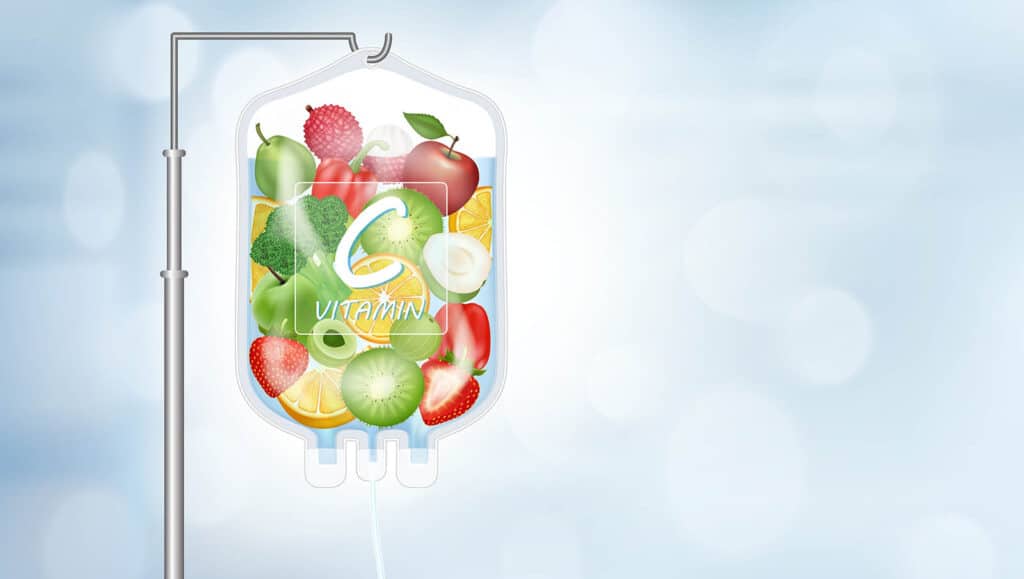
If you are on medication, it is essential to talk to your doctor before starting IV Therapy. Some medicines can interact with IV fluids and cause problems. This blog post will discuss the types of drug interactions that can occur and what you can do to prevent them. We will also cover how to tell if an IV Therapy treatment is right for you.
What is IV therapy, and what are its benefits?
IV therapy is a type of treatment that involves delivering fluids and nutrients directly into the bloodstream. IV therapy can be used to treat a wide variety of conditions, including dehydration, nutritional deficiencies, and migraines. IV therapy can also be used as a preventative measure, helping to boost immunity and energy levels. One of the main benefits of IV therapy is that it allows nutrients to be absorbed more quickly and efficiently than when they are taken orally. IV therapy can also be customized to each individual’s needs, making it an effective way to target specific health concerns. When administered by a trained professional, IV therapy is safe and relatively painless. As such, it has become an increasingly popular treatment option for both adults and children.
What are the most common drug interactions, and how can you prevent them from happening to you or a loved one?
Although most medications are safe to take on their own, they can sometimes interact with other drugs in potentially dangerous ways. Drug interactions can occur when two drugs are taken together or when one drug affects the way the body metabolizes another drug. Some common examples of drug interactions include: taking a non-steroidal anti-inflammatory drug (NSAID) such as ibuprofen while also taking a blood thinner, taking an antibiotic while also taking a birth control pill; or taking a high blood pressure medication with alcohol. Although many drug interactions are harmless, some can result in serious side effects, such as increased bleeding risk or organ damage. To prevent drug interactions from occurring, it is important to always tell your doctor or pharmacist about all of the medications you are taking (including over-the-counter drugs, vitamins, and herbal supplements). You should also avoid drinking alcohol while taking certain medications. By being aware of the potential for drug interactions and taking steps to prevent them, you can help keep yourself and your loved ones safe.
How does your doctor determine whether an IV therapy treatment plan is right for you or a loved one, and what should you expect during an appointment for this service?
Before beginning IV therapy, your doctor must determine whether this treatment is right for you or a loved one. To do this, they will take a comprehensive medical history and perform a physical examination. They may also order blood tests or other diagnostic tests to rule out any underlying conditions that could contribute to the need for IV therapy. Once your doctor has determined that IV therapy is appropriate, they will develop a treatment plan tailored to your individual needs. This plan will consider the type and severity of your condition, as well as your overall health and medical history. During an appointment for IV therapy, you can expect your doctor to go over the treatment plan details and answer any questions you may have. They will also insert the IV catheter, which is a small tube that is inserted into a vein in the arm. Once the catheter is in place, the IV solution will be slowly infused into your body over the course of several hours. You will be monitored during this time so that your doctor can adjust the infusion rate as needed. After the therapy session is complete, the catheter will be removed and you will be able to go home.
Are there any risks associated with IV therapy treatments that patients should be aware of before starting the process?
IV therapy is a popular treatment option for a variety of conditions, but it’s important to be aware of the potential risks before starting the process. One of the most common risks is infection. The needle inserting the IV line can introduce bacteria into the bloodstream, leading to serious illness. There is also a risk of bruising or bleeding at the injection site. In some cases, the IV line can also become dislodged, which can cause discomfort or even lead to a dangerous situation if the medication leaks into the tissue around the vein. Finally, some patients may experience nausea or dizziness as a result of the IV therapy. While these side effects are typically mild, they can sometimes be severe. As with any medical procedure, it’s important to talk to your doctor about the potential risks before starting IV therapy.
IV therapy is a great way to get the nutrients and hydration your body needs without having to take pills or miss out on important meals constantly. If you think you might benefit from IV
therapy, contact us today to learn more about how we can help you. Our expert team is ready and waiting to partner with you to create a stellar SEO or marketing plan that drives sales by considering how your customers think. Which of these cognitive neuroscience principles have you applied to increase your product sales online?